Web Design for Tourism Businesses in the Lake District
Published · Sebastian
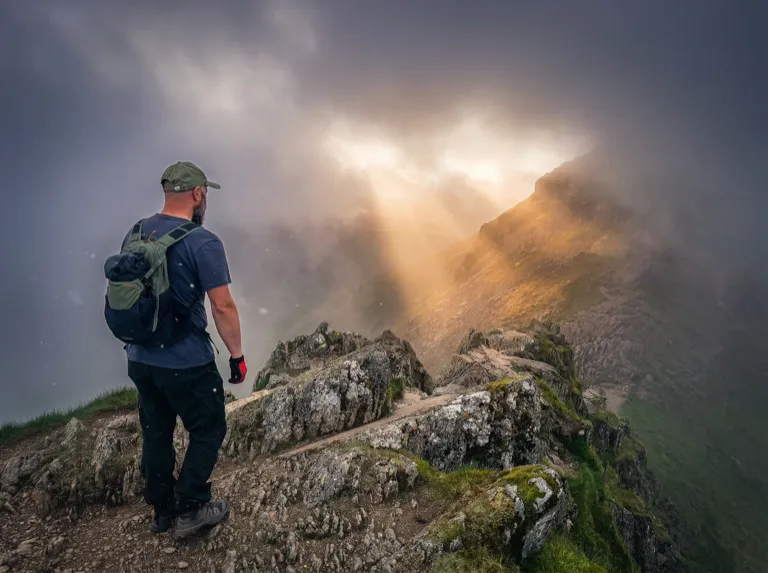
If you run a holiday cottage, a boutique hotel, or an outdoor activity company in the Lake District, your website is doing one of two things: bringing you bookings, or sending them to someone else.
That might sound blunt, but it’s the reality. The Lake District pulls in over 19 million visitors a year, and the vast majority of them start their trip planning online. They’re searching for places to stay, things to do, and somewhere to eat - and they’re making decisions fast. If your website doesn’t load quickly, look trustworthy, and make it easy to book, they’ll move on. Probably to Booking.com or Airbnb.
This post is for tourism business owners in the Lake District and across Cumbria who know they need a better website but aren’t sure where to start. We’ll cover what actually matters, what you can skip, and the mistakes that cost bookings.
Why your website matters more than you think
Here’s something that catches a lot of tourism business owners off guard: your website isn’t competing with other local businesses. It’s competing with the big online travel agencies - Booking.com, Airbnb, Expedia. These platforms spend millions on web design, and they’ve optimised every pixel to convert browsers into bookers.
You can’t outspend them. But you can do something they can’t: tell your story. A guest scrolling through 200 identical Airbnb listings doesn’t feel anything. But a website that shows them the view from your cottage window at sunrise, explains the walking routes from your front door, and makes booking straightforward? That ’s how you win direct bookings and stop paying commission.
There’s a seasonal angle too. Lake District tourism has distinct peaks - Easter, summer holidays, half terms, and increasingly the autumn “shoulder season.” Your website needs to work hardest during these surges. If it’s slow, confusing, or broken on mobile during a peak weekend, you’re leaving money on the table at the exact moment demand is highest.
What makes a great tourism website
Let’s get specific. Whether you need a website for a holiday cottage or a full hotel website for a Cumbrian property, the fundamentals are the same.
Speed on mobile - not just desktop
More than 60% of travel searches happen on phones. Not laptops, not tablets - phones. Often on patchy 4G in a car park somewhere near Ambleside while someone tries to find a last-minute room. If your site takes more than three seconds to load on a mobile connection, roughly half your visitors will leave before they see a single photo.
This means your site needs to be genuinely fast, not just “it loads fine on my office Wi-Fi” fast. Compress your images. Use modern formats like WebP. Test on a real phone, on a real mobile connection.
Beautiful imagery that doesn’t kill performance
Tourism is visual. People want to see the rooms, the views, the breakfast spread, the lake at golden hour. But there’s a tension here: stunning photos are usually large files, and large files make websites slow.
The solution isn’t fewer photos - it’s smarter photos. Properly compressed images, served at the right size for each device, using modern formats. A skilled web designer will make your site look gorgeous and load fast. You shouldn’t have to choose.
And please, use real photos. Your actual rooms, your actual views, your actual dog asleep in front of the fire - these sell holidays. Stock photos of generic hotel lobbies do not.
Clear booking and enquiry calls to action
Every page on your site should make it obvious what to do next. “Check availability.” “Book now.” “Send us an enquiry.” These should be visible without scrolling, repeated naturally throughout the page, and impossible to miss.
If you use a booking platform - whether that’s FreeToBook, Bookster, SuperControl, or something else - it needs to integrate smoothly. The guest shouldn’t feel like they’ve been kicked to a completely different website to complete their booking. The transition should be seamless, keeping your branding and building trust throughout the process.
Integration with booking platforms
If you’re managing a holiday cottage or a small hotel, you’re probably using third-party software to handle availability and reservations. Your website needs to play nicely with these systems. Real-time availability calendars, synced pricing, and smooth checkout flows aren’t luxury features - they’re table stakes. A guest who can’t immediately see whether your property is free on their chosen dates will go somewhere they can.
This matters more than it used to. Google has begun testing assistants that complete a booking on the traveller’s behalf, and software will not ring you to query a rate that looks out of date - it will simply skip the property. We have written about what AI booking agents mean for Lake District accommodation, including what is worth doing now and what can safely wait.
Accessibility matters - and it’s good for business
Website accessibility isn’t just about compliance, though the legal side is increasingly relevant. It’s about ensuring that everyone - including people with visual impairments, motor difficulties, or cognitive differences - can use your website to find and book a holiday.
WCAG (Web Content Accessibility Guidelines) compliance means things like: proper colour contrast so text is readable, alt text on images so screen readers can describe your property, keyboard navigation for people who can’t use a mouse, and clear heading structures so the page makes sense read aloud.
Here’s the commercial argument: around 20% of the UK population has some form of disability. If your website is inaccessible, you’re effectively turning away one in five potential guests. Accessible design also tends to improve usability for everyone - clearer layouts, better structure, faster navigation. It’s one of those rare things that’s both the right thing to do and the smart business decision. We've written a full guide to accessibility for small businesses if you want the detail - what the law requires, and where to start.
SEO for tourism: getting found when it matters
Having a brilliant website is pointless if nobody finds it. Search engine optimisation for tourism businesses in the Lake District has some specific quirks worth understanding.
Seasonal keyword targeting
People don’t search for “Lake District holiday cottage” at the same rate all year. Search volume spikes before peak seasons and drops off in winter. Your content strategy should anticipate this: publish and refresh seasonal content before the rush, not during it. A blog post about “best winter walks from Keswick” published in September will rank by the time people start searching in November. If you’re looking for web design support in the Keswick area, we work with businesses across the northern Lakes - see our Keswick page for more details.
Google Business Profile
If you don’t have a fully optimised Google Business Profile, stop reading and go set one up. For local tourism businesses, this is arguably more important than your website’s organic rankings. It controls what people see when they search your business name, shows your reviews, displays your photos, and gives direct links to your website and phone number.
Local search optimisation
“Hotel near Windermere” and “holiday cottage Cumbria” are the kinds of searches your potential guests are making. Your website content, page titles, and meta descriptions should reflect the specific places you serve. If you’re based near Windermere, make sure your site says so clearly - not buried on a contact page, but woven into your content naturally. We work with a number of tourism businesses in the Windermere and south Lakes area - visit our Windermere page to learn more.
Common mistakes that cost you bookings
Over the years working with hotel and tourism businesses across the Lake District and Cumbria, we see the same problems again and again.
Relying on social media instead of a website
Instagram and Facebook are useful tools, but they’re not yours. The algorithm decides who sees your posts. You can’t control the booking experience. You can’t optimise for search. And if Meta changes something tomorrow - which it will - your visibility could vanish overnight. Social media should drive traffic to your website, not replace it.
Neglecting mobile performance
We’ve said it already, but it bears repeating: most of your visitors are on phones. If your site isn’t fast and usable on mobile, you’re losing the majority of your potential guests. Not some of them. Most of them.
Stock photos instead of real images
Guests can spot a stock photo instantly, and it erodes trust. If your “cosy cottage living room” looks like it belongs in an IKEA catalogue, people will wonder what you’re hiding. Invest in a proper photo shoot - or even use well-lit smartphone photos. Authentic always beats generic.
Hiding contact details
It’s astonishing how many tourism websites make it hard to find a phone number or email address. Some guests want to book online. Others want to call and ask a question first. Make both easy. Your contact details should be in your header, your footer, and on a dedicated contact page with a simple form.
Ignoring site maintenance
A website isn’t a “set it and forget it” project. Prices change, rooms get refurbished, availability needs updating, and technology moves on. A site that was cutting-edge three years ago might be sluggish and outdated now. Budget for ongoing maintenance the same way you budget for property upkeep.
Let’s talk about your website
Running a tourism business in the Lake District? We specialise in web design for tourism and hospitality. Whether you need a new website for a holiday cottage, a refresh for an established hotel, or you just want honest advice about what’s working and what isn’t - we’d love to hear from you.
We’ve helped tourism businesses across Cumbria build websites that look stunning, load fast, and actually bring in bookings. You can browse our case studies to see some examples, or get in touch directly and we’ll have a conversation about what you need. No jargon, no hard sell - just practical web design for tourism businesses who want more direct bookings and fewer OTA commissions.
This article was last updated in March 2026. Platform integrations and search engine behaviour change over time - always test your own site for current performance.